
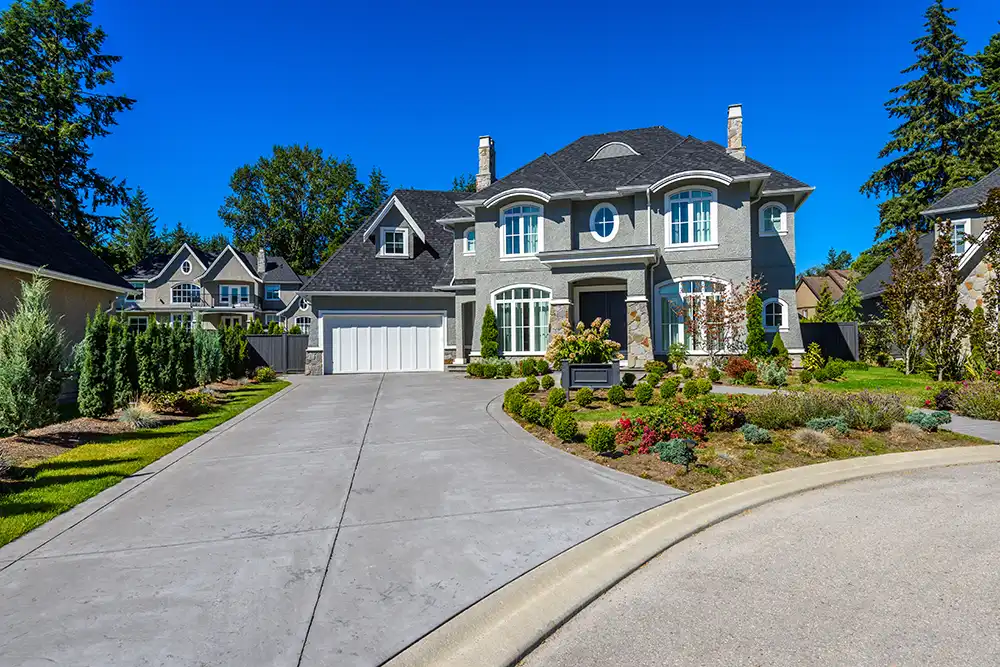
Investing in a new concrete driveway is one of the most effective ways to boost your home's curb appeal, enhance everyday functionality, and increase resale value. However, one of the first questions every Dunwoody homeowner asks is: "How much does a concrete driveway actually cost?" While online pricing calculators often quote generic figures, the reality is that every property has unique topographical contours, soil conditions, and design specifications that influence total costs. In this comprehensive guide, Brook Concrete Company breaks down all the primary factors that determine driveway pricing in Dunwoody, GA, helping you make an informed investment decision. To learn more about our installation process, visit our concrete driveways service page.
Key Factors That Dictate Concrete Driveway Pricing
The total investment for a concrete driveway involves much more than simply multiplying square footage by a flat material rate. Professional contractors must evaluate numerous critical variables:
- Driveway Dimensions and Thickness: Total surface area determines concrete volume. Standard residential driveways are poured 4 inches thick. However, if you park heavy commercial work vans, large SUVs, or RVs, increasing the slab thickness to 5 or 6 inches increases material costs but provides vital structural protection against cracking.
- Subgrade Demolition and Haul-Away: If you are replacing an existing failing slab rather than building on new ground, demolition costs must be factored in. Complete concrete driveway replacement involves heavy hydraulic machinery, labor, hauling, and local landfill recycling fees.
- Sub-Base Excavation and Stone Compaction: Georgia's native red clay requires an aggregate base to prevent settlement. Installing and mechanically compacting a 4-to-6-inch layer of crushed granite aggregate (GAB) adds upfront expense but protects against premature failure.
- Internal Reinforcement: Plain concrete has high compressive strength but relatively low tensile strength. Incorporating grid-tied steel rebar or welded wire mesh elevated on chairs increases longevity and prevents slabs from separating if hairline shrinkage occurs.
- Surface Finish and Decorative Upgrades: A standard non-slip broom finish is the most cost-effective option. Upgrading to integral color pigments, smooth troweled picture-frame borders, or full decorative stamped concrete involves specialized stamping mats, antique release agents, and multiple protective seal coats, which increase labor and material costs.
- Site Grading, Slope, and Drainage: Sloped Dunwoody lots require careful grading to prevent water from rushing into garages. Installing catch basins, French drains, or trench grates impacts project pricing.
Why Cheap Estimates Often Cost More in the Long Run
When collecting quotes from local concrete contractors, you will inevitably encounter bids that seem significantly lower than the rest. It is critical to understand how cut-rate contractors achieve those lower prices. Common shortcuts include pouring concrete directly over uncompacted soil, skipping crushed stone bases, reducing slab thickness to 3 inches, omitting steel reinforcement, and watering down the concrete mix to make it easier to rake. While these shortcuts lower the initial price, they inevitably lead to severe alligator cracking, sunken panels, and complete driveway failure within two to three years. Paying for proper engineering upfront costs far less than paying for early demolition and replacement.
Essential Questions to Ask Before Hiring a Concrete Contractor
To ensure you are comparing contractor bids on an equal, transparent footing, always ask prospective contractors these vital questions:
- What compressive strength (PSI) ready-mix concrete is included in your proposal?
- What type of base material will be installed, and how will it be compacted?
- Is steel rebar reinforcement included, and will it be elevated on chairs during the pour?
- Where will control joints be placed, and how deep will they be cut?
- What curing compound or sealing method will be applied after finishing?
Our installation and quality assurance protocols strictly follow established industry best practices outlined by the Portland Cement Association.
Frequently Asked Questions
What is the typical lifespan of a concrete driveway in Georgia?
A professionally engineered concrete driveway installed with a compacted stone base and proper rebar reinforcement will easily last 30 to 40 years or more with basic maintenance and periodic joint sealing.
How soon can I park on my new concrete driveway?
Light foot traffic is safe after 24 to 48 hours. Passenger vehicles should remain off the slab for at least 7 days to allow the concrete to reach approximately 70% of its full design strength.
Schedule Your Free Dunwoody Driveway Estimate
Get an accurate, transparent, and comprehensive written estimate for your driveway project. Contact Brook Concrete Company today to schedule your complimentary on-site consultation in Dunwoody, GA!